
You should prioritize coffee maker maintenance by cleaning your coffee maker’s removable parts every day and giving the exterior and components a more thorough wash each week. Plan to descale and deep-clean it about once a month if you brew daily. With hard water, you may need to descale every 4–8 weeks, while soft or filtered water lets you stretch that to every 3–6 months. Simple tweaks to your schedule can keep flavor bright and your machine running longer, as you’ll see next.
Key Takeaways
- Rinse and wash removable parts, like the carafe and brew basket, after every use to prevent residue and mold.
- Do a more thorough cleaning of all removable parts and exterior surfaces weekly, including seams and grooves.
- Deep clean and descale the coffee maker about once a month if you brew daily with typical tap water.
- Adjust descaling frequency based on water hardness: every 1–3 months for hard water, 3–6 months for soft or filtered water.
- Clean immediately if you notice dull flavor, slow brewing, visible deposits, or unpleasant odors, as these signal overdue maintenance.
How Often Should You Clean a Coffee Maker?
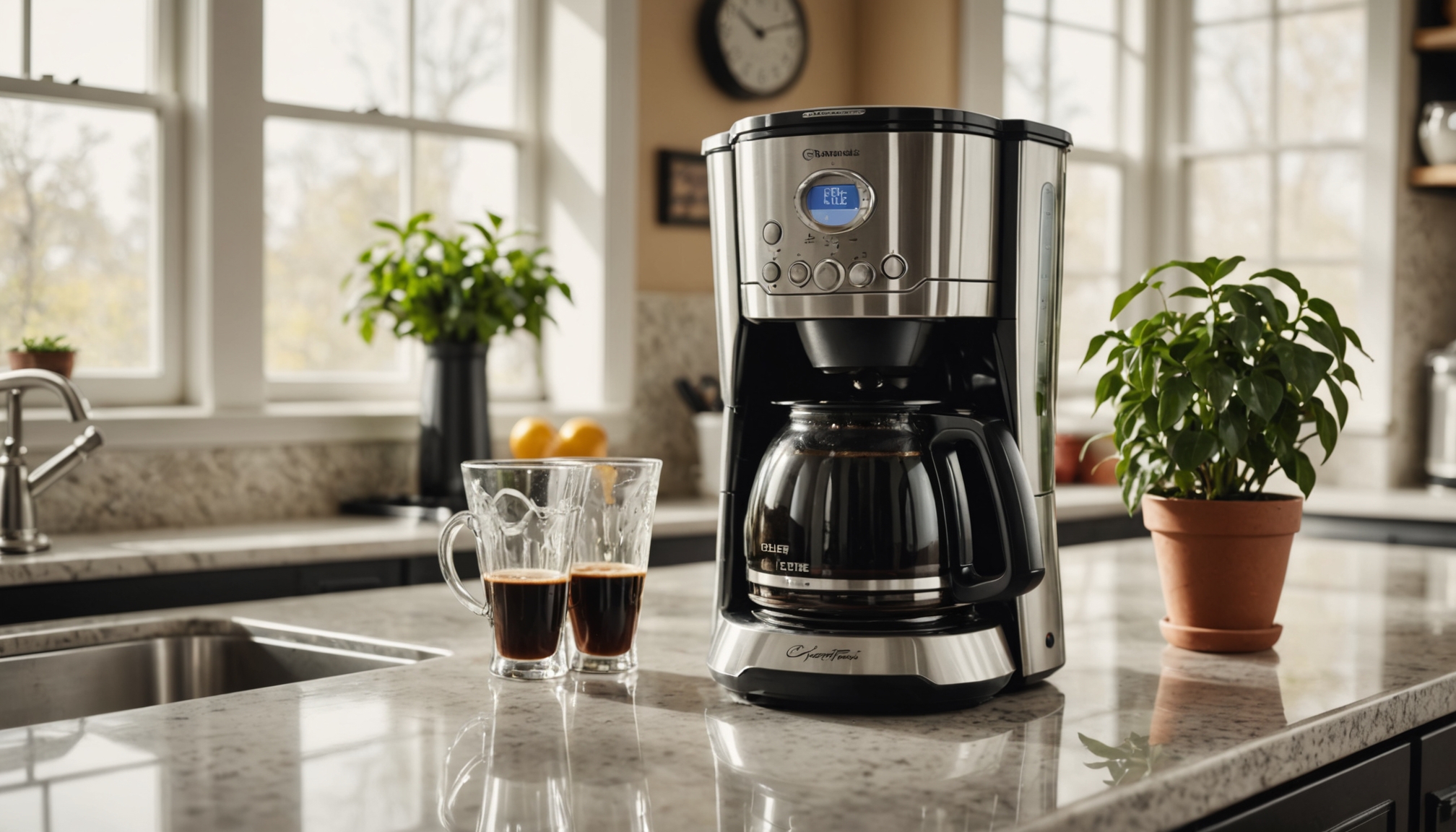
How often should you clean a coffee maker if you want it to last and your coffee to taste fresh? You’ll want a simple routine you can remember. Rinse the carafe, brew basket, and filter holder after every use so oils and grounds don’t sit and turn rancid. Wash the carafe and basket with warm, soapy water daily to stop residue from building up and affecting flavor. Regularly cleaning your coffee maker also reduces the risk of bacteria and mold thriving in the damp reservoir and internal parts.
At least once a week, wipe the exterior and give the reservoir attention to cut down on grime and potential biofilm. Empty used grounds right after brewing so moisture doesn’t linger and invite mold.
Plan a deep clean or descale about once a month if you brew daily, and treat that as your default schedule. Many sources group typical home use in a 1–3 month descaling window, but always start with your machine’s manual, then adjust based on water hardness and visible buildup.
Cleaning Frequency by Usage Level
Cleaning your coffee maker on the right schedule depends less on strict calendar rules and more on how often you brew and what kind of water you use. Light use—just a few pots a week—usually means slower oil and residue buildup. With soft or filtered water, you can often descale every 3–6 months; with harder water, aim for every 2–3 months instead.
Daily home brewing typically needs a monthly descale, because oils, fine grounds, and minerals accumulate faster. In hard-water areas, you may need to tighten that to every 1–2 months. Regular cleaning also helps protect the machine from long-term damage to heating elements and internal parts.
For heavy home use or small office machines, frequent brewing plus multiple users accelerates buildup and off-flavors. Hard water and 3+ cups a day can push descaling to every 3–6 weeks.
| Usage & Water Reality | How Your Coffee Maker “Feels” |
|---|---|
| Light use, soft water | Calm, breathing easy |
| Light use, hard water | A little tense |
| Daily use, mixed water | Growing restless |
| Heavy use, hard water | Overworked and stressed |
Daily and Weekly Coffee Maker Cleaning Routine

Once you establish a simple daily and weekly routine, keeping your coffee maker clean stops feeling like a chore and starts protecting flavor and machine life. Each day, empty the brew basket right after brewing and discard used grounds so they don’t cake on. Rinse the carafe with hot water immediately to limit stains and lingering odors. Leave the reservoir lid open so moisture can evaporate, and wipe splatter from the exterior, warming plate, or drip tray. If you use milk drinks, purge and wipe the steam wand after every use. This quick daily attention helps prevent yeast and mold from taking hold in damp parts of the machine.
During the week, go a step further. Wash removable parts—carafe, brew basket, lids, drip tray, pod holder, and any detachable reservoir pieces—in warm, soapy water. Use a soft brush or sponge to clear seams, grooves, and mesh. Rinse well, then air‑dry completely before reassembling. For espresso machines, flush the group head, wipe the portafilter area, and backflush with water if supported.
Monthly Descaling and Deep Cleaning Schedule
Every coffee maker eventually needs more than a quick rinse, and a monthly descaling and deep clean keeps yours brewing efficiently and tasting fresh. If you brew daily with tap water, treat once-a-month descaling as your baseline. It limits mineral buildup in the reservoir, heating element, and internal tubes, and it’s a safe default when you’re unsure about water quality. Check your manual, though—some brands suggest slightly different intervals based on usage. Regular descaling is especially important if you have hard water, since limescale will build up and affect your coffee more quickly.
To deep clean, unplug the machine and let it cool. Remove the carafe, lid, filter basket, and reusable filter, then wash them with warm water and dish soap. Fill the reservoir with a descaling solution: either a 1:1 mix of white vinegar and water, citric-acid cleaner, or a manufacturer-approved product. Run a full brew cycle, pausing midway to let the solution sit 30–60 minutes. Finish the cycle, then run several fresh-water cycles until all odor disappears.
Cleaning Frequency in Hard vs Soft Water
Because your water leaves behind very different amounts of mineral residue, hard and soft water call for different cleaning schedules. If you live with hard water, your coffee maker collects scale faster on the heating element, water lines, and spray head. You’ll likely need to descale every 1–3 months, and in very hard water, every 4–6 weeks. Soft or filtered water slows scale, so you can often stretch deep cleaning to every 3–6 months, as long as performance stays consistent. Using a simple, inexpensive water-hardness test strip can help you dial in the right descaling frequency for your specific tap water.]
Hard water? Descale every 1–3 months. Soft or filtered water? You can usually wait 3–6 months.
To picture the difference, imagine:
- A reservoir ringed with white crust after just a few weeks of hard-water brewing.
- A slow, sputtering stream instead of a steady pour as scale narrows the internal tubing.
- A clean, clear tank and smooth flow for months when you use soft or filtered water.
Always adjust your schedule if brew times drag, flavors dull, or you spot visible deposits.
Frequently Asked Questions
Can I Use Vinegar Instead of Commercial Descaling Solution in My Coffee Maker?
Yes, you can usually use white vinegar instead of commercial descaler, as long as your machine’s manual doesn’t forbid it. Mix equal parts vinegar and water, fill the reservoir, and start a brew cycle. Halfway through, pause it and let the solution sit 10–30 minutes, then finish the cycle. Run 2–3 full cycles with fresh water afterward so you don’t taste or smell vinegar in your coffee.
How Do I Clean Reusable Metal or Mesh Coffee Filters Safely?
You clean reusable metal or mesh filters safely by rinsing them right after brewing under warm water, tapping out loose grounds first. Use a soft nylon brush and gentle circular motions on both sides, focusing on the underside. For deeper cleaning, soak in hot soapy water or a mild baking-soda or vinegar solution, then rinse thoroughly. Don’t use steel wool, bleach, or dishwashers. Let the filter air-dry completely before storing.
Is It Safe to Put Coffee Maker Parts in the Dishwasher?
It’s sometimes safe, but only if the manual says those parts are dishwasher-safe. You’ll usually be fine putting drip trays, some water tanks, and certain milk system pieces in the dishwasher. You shouldn’t dishwash brew units, most lids, stainless panels, or anything tied to internal brewing or milk pathways. Always remove loose grounds first, and when in doubt, hand-wash parts to avoid warping, leaks, or shortened component life.
What Signs Indicate My Coffee Maker Needs Immediate Cleaning or Repair?
You should act fast if your coffee suddenly tastes bitter, sour, metallic, weak, or stale even with fresh beans. If brewing slows, becomes uneven, or the output shrinks, you’ve likely got buildup. Loud gurgling, sputtering, musty smells, or visible chalky or brown deposits mean immediate cleaning. If it leaks, stops mid-brew, stays lukewarm, or shows a descale/clean warning despite cleaning, you likely need repair.
Can Mold Grow Inside a Coffee Maker and How Do I Prevent It?
Yes, mold can definitely grow inside your coffee maker. It thrives in leftover water, damp lids, used grounds, and any spot that stays warm and moist. To prevent it, empty the reservoir after brewing, discard grounds right away, and rinse the carafe and basket daily. Leave lids open so everything air-dries, keep the machine in a dry, ventilated spot, and deep clean regularly with vinegar or a recommended cleaner.
Conclusion
You don’t have to baby your coffee maker, but you do need to stay consistent. Rinse and wipe it daily, deep clean it weekly, and descale it monthly—or more often if you’ve got hard water. When you stick to a simple routine, your coffee tastes fresher, your machine lasts longer, and you avoid that hidden mold and buildup. Clean it regularly, and every cup you brew will actually taste like coffee, not your coffee maker.
