
Brew your coffee with water between 195–205°F (90–96°C) for a balanced cup with sweetness, clarity, and aroma. This “just off boil” range avoids sour under-extraction at cooler temps and harsh bitterness at hotter temps. Aim near 200–205°F for pour-over and drip, slightly lower for French press and dark roasts, and experiment more broadly with AeroPress. With a few small temperature tweaks, you can fine-tune each method and roast for even better results.
Key Takeaways
- The ideal water temperature for most coffee is 195–205°F (90–96°C) to achieve balanced extraction and flavor.
- Boil water, then let it sit 30–45 seconds before brewing to naturally reach the optimal range without a temperature‑control kettle.
- Use 200–205°F for pour-over and drip, 195–200°F for French press, and 190–205°F for espresso, adjusting slightly by taste.
- Match temperature to roast: hotter for light (201–205°F), mid-range for medium (196–201°F), and cooler for dark (190–198°F).
- If coffee tastes sour, increase water temperature 3–5°F; if it’s bitter, decrease a few degrees while keeping other variables constant.
Best Coffee Water Temperature (Quick Answer & Chart)
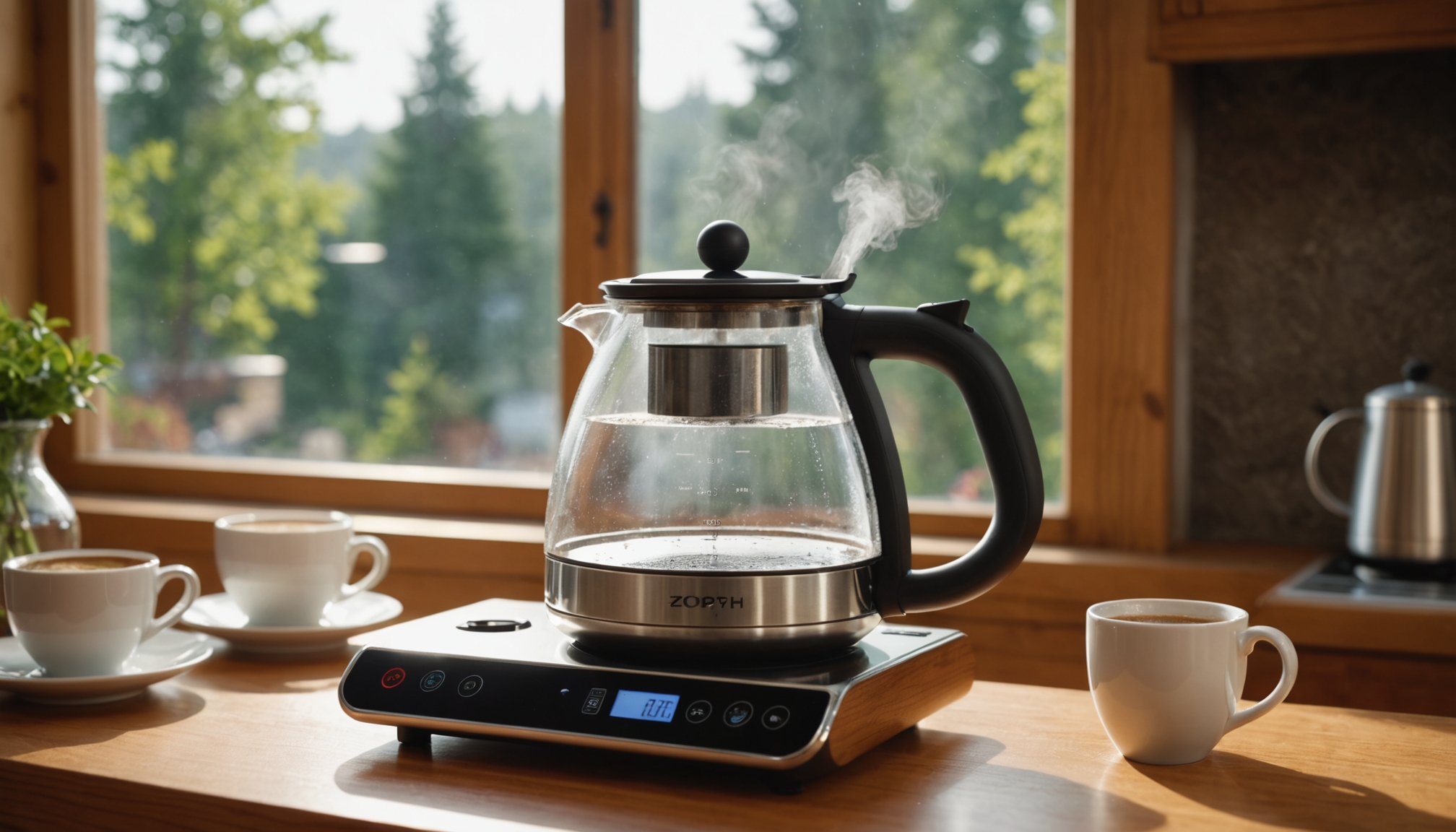
Wondering what temperature your coffee water should actually be? You’ll get reliable results if you stay in a general hot‑brew window of 195–205°F (90–96°C). This range isn’t one exact “magic” number; it’s a proven baseline that appears across specialty coffee standards, gear manuals, and brew guides. For even more consistent cups, preheating equipment helps keep your brewing temperature closer to that target range from the first pour to the last.
Here’s a quick reference chart you can actually use:
- Drip / batch brewer: 196–205°F (92–96°C)
- Pour-over: 199–205°F (93–96°C)
- French press: 195–205°F (90–96°C)
- Espresso: 190–205°F (88–96°C), recipe- and machine-dependent
- AeroPress: 176–205°F (80–96°C), with cooler water often giving sweeter, softer cups
In practice, don’t brew with a rolling boil, since that’s typically above the useful range. If you don’t have a thermometer, boil water, then let it sit about 30–45 seconds before brewing to land near the ideal starting point.
Why 195–205°F Is the Sweet Spot for Brew Temperature
When you brew between 195–205°F, you’re working in the same heat range that professional coffee standards recommend because it consistently produces reliable extraction. Within this window, you’ll extract enough sweetness, body, and aromatics without pushing flavors into harsh or bitter territory. From pour-over to drip and immersion, you can then tweak your exact temperature inside this band to suit your brew method and roast. Lighter roasts generally shine at the higher end of this range, while darker roasts often taste better with slightly lower temperatures.
Heat Range That Works
Although every coffee setup is a little different, most brews taste best when your water lands in a narrow “sweet spot” between 195–205°F (90–96°C). You’re aiming for the temperature at the moment the water actually touches the grounds, not just the reading on your kettle. That’s why a full boil usually needs a brief rest before you pour. Using water in this range helps you avoid the over‑extraction that happens above 205°F and the under‑extraction that happens below 195°F.
This range works across pour-over, drip, French press, and even espresso, so you can treat it as your everyday brewing window rather than chasing a single “perfect” number.
- Feel confident knowing 195–205°F is the professional standard.
- Relax with 200°F as your easy midpoint.
- Enjoy darker roasts near 195°F.
- Let lighter roasts shine closer to 205°F.
Extraction and Flavor Balance
Because coffee flavor lives or dies on how much you extract, the 195–205°F (90–96°C) range matters less as a “rule” and more as a safeguard for balance. In this window, you pull enough acids, sugars, and aromatic oils to taste bright, sweet, and textured without flooding the cup with bitterness.
Below 195°F, extraction slows and stalls. You’ll taste sourness, a thin body, and muted aromatics because sugars and Maillard compounds don’t dissolve fully. Proper temperature enhances flavor extraction and overall coffee quality, helping your favorite beans reveal their intended tasting notes. Above 205°F, extraction races ahead, dragging harsher bitter and astringent compounds into the cup, so flavors turn harsh or flat.
Staying near 200°F helps you land in that 18–22% extraction yield where sweetness, complexity, and structure line up and no single taste dominates.
Adjusting For Brew Method
Even though brew methods look wildly different, they mostly live inside the same 195–205°F (90–96°C) sweet spot—you just slide up or down within that range. The SCA spec centers on 200°F (93°C), so you’re rarely leaving this window; you’re just tuning it to match brew time, grind, and roast. This range aligns with the SCA’s Golden Cup Standard, which pairs 90–96°C water with specific strength and extraction targets to produce a sweet, balanced cup.
- Pour-over & drip: Aim for 200–205°F for clarity and sweetness; drop closer to 195°F for darker roasts.
- French press & immersion: Brew around 195–200°F to keep long steeps from turning harsh.
- Espresso: Stay in the 195–205°F equivalent at the puck; stability matters more than tiny shifts.
- AeroPress: Explore the full range—lower temps for gentle, tea-like cups, higher for punchy brews.
How Water Temperature Changes Coffee Flavor
When you change your brew temperature, you change which flavors show up most in the cup. Use water that’s too cool, and you’ll get under-extracted coffee that tastes sour, thin, and unbalanced. Push the heat too high, and bitterness and harshness quickly overshadow sweetness and nuance.
Under-Extraction With Cooler Water
Although cooler water can seem gentler or more forgiving, it actually increases your risk of under-extraction and sharp, unbalanced flavors in the cup. Below about 87–90°C (188–194°F), coffee solubles dissolve more slowly, so with the same grind and brew time you extract less overall. Acids rush out first, while sugars, oils, and heavier compounds lag behind, leaving you with a cup that tastes unfinished.
You’ll often notice:
- Sour, lemony tang that feels aggressive rather than pleasantly bright.
- Thin, watery body, as if the coffee’s been stretched too far.
- Hollow, grassy notes and a flat finish that dies on your palate.
- Little sweetness or depth, making the acidity feel lonely and your mug strangely unsatisfying.
Bitterness From Excess Heat
If you push your brew water too hot, bitterness quickly stops being a background note and takes over the cup. Once you brew above about 205°F (96°C), extraction speeds up so much that harsh compounds outrun sweetness. Chlorogenic acid breakdown products, phenolics, tannins, and other polyphenols dissolve fast, leaving you with sharp, mouth-drying astringency.
You’ll notice less sweetness, muted aromatics, and a rough, sometimes medicinal finish. Darker roasts suffer most, since their solubles extract readily and tip into bitterness quickly at high heat. Fine grinds, long contact times, and heavy agitation magnify the problem.
Stick to the specialty range of roughly 195–205°F (90–96°C), leaning lower for dark roasts and long-steep methods like French press.
Best Brew Water Temperature by Coffee Method
Different brewing methods respond best to slightly different water temperatures, so it helps to match your kettle settings to how you’re making coffee. For drip machines, aim for 195–205°F (90–96°C) at the coffee bed; many brewers shine around 200°F (93°C). Once the water hits the basket, stable heating matters more than your exact kettle readout.
Pour-over prefers 195–205°F as well, with V60s and Chemex often tasting best near 200–203°F (93–95°C). Let just-boiled water sit briefly, then pour steadily for sweetness and clarity.
For pour-over, let just-boiled water cool briefly, then pour steadily for sweetness, clarity, and balance
French press handles slightly hotter water, roughly 198–205°F (92–96°C). Preheat the carafe so your brew doesn’t cool too fast, and enjoy the fuller body that hotter water reveals.
Espresso machines usually target about 195–205°F (90–96°C) at the group head, sometimes a bit lower. Their built‑in temperature control safeguards crema, sweetness, and balance.
- Feel your kitchen turn into a tiny café.
- Savor richer aromas rising from your mug.
- Notice smoother sips replacing harsh bitterness.
- Enjoy the quiet pride of nailing your brew.
How to Adjust Brew Temperature for Roast Level
Once you know your brew method, the next smart move is matching water temperature to roast level. Think of roast as your first temperature-setting variable: lighter roasts brew hotter, darker roasts brew cooler.
For light roasts, start around 94–96°C (201–205°F). These dense, less soluble beans usually need more heat for full extraction, reducing sourness and boosting sweetness and clarity. If the cup tastes sharp or underdeveloped, nudge hotter; if it turns harsh, step slightly cooler.
For medium roasts, begin near 91–94°C (196–201°F). This “middle path” balances sweetness, body, and acidity. Small 1–2°C moves toward the hotter end highlight brightness; toward the cooler end, they round off edges.
For dark roasts, aim for 88–92°C (190–198°F). They’re more soluble, so cooler water helps avoid ashiness, bitterness, and smoky notes. If roastiness dominates, drop the temperature a degree or two and re-taste.
Easy Ways to Control Brew Temperature at Home
Even without café gear or lab thermometers, you can control brew temperature at home with a few simple habits. Temperature isn’t just a number; it quietly shapes how sweet, bright, or flat your cup feels. Small, repeatable steps give you far more control than you might expect.
1. Preheat everything
Warm your brewing essentials, including your brewer, filter, and mug, with hot water. This reduces heat shock so your coffee extracts evenly instead of cooling on contact.
2. Use a variable-temperature kettle****
Set a specific temperature, note the setting that tastes best, and repeat it. Consistent heat brings consistent flavor.
3. Let boiling water rest****
If you don’t have a fancy kettle, use a “boil, rest, pour” routine with the same rest time and volume every brew.
4. Measure and reduce heat loss****
Use an instant-read thermometer, keep lids closed, and pour the same way each time to keep your brew temperature steady.
Just off Boil” Vs Exact Temperature
Two phrases dominate most coffee recipes: “just off boil” and a specific degree on a kettle display. Both aim to land you in the same sweet spot: about 90–96°C (195–205°F). That’s hot enough to extract sweetness, aromatics, and body without pushing harsh bitterness.
When you use “just off boil,” you bring water to a full boil, take it off the heat, and wait roughly 30–60 seconds. For most home kettles, that pause drops the temperature into roughly 93–96°C (199–205°F), which works well for most brews.
Exact temperature control—say targeting 200–203°F—gives you repeatable results. If you like how a coffee tastes at 202°F, you can reliably hit it again.
In practice, you’re choosing between precision and convenience. The priority isn’t the phrase you follow, but staying near that 195–205°F range instead of pouring at a full rolling boil.
Common Coffee Water Temperature Mistakes to Avoid
You’re already thinking about ideal brew temperatures, but it’s just as important to avoid the most common mistakes. Using water that’s too cool, brewing straight at a rolling boil, or ignoring how different roasts respond to heat can all wreck an otherwise solid recipe. Let’s look at how each of these errors shows up in the cup and what you can do instead.
Using Water Too Cool
Although any steaming mug might look right, using water that’s too cool is one of the fastest ways to ruin a good coffee. When your brew water dips below about 195°F / 90°C, it doesn’t have enough energy to pull out sweetness, body, and balance. Instead, it rushes to extract sharp acids and light aromatics, then stalls before the rich stuff arrives.
You end up with a cup that feels wrong, even if you can’t name why:
- Sour tang that overwhelms any pleasant brightness.
- Thin, watery body because oils and sugars stay trapped in the grounds.
- Flat, hollow flavor lacking depth and complexity.
- Weak intensity, despite using the “right” amount of coffee.
Brewing With Boiling Water
If water that’s too cool leaves coffee underdeveloped, water that’s boiling hard pushes extraction in the opposite, equally problematic direction. At a full rolling boil around 212°F, water extracts fast and aggressively, pulling extra bitter and astringent compounds. Instead of highlighting floral or citrus notes, you’ll flatten them and end up with a harsh, dry cup that might taste strong but not actually better.
The most common mistake is pouring straight from a rolling boil or using pre‑boiled water without cooling. A simple fix is to boil, then wait 30–60 seconds before brewing. That short rest usually drops you into the 195–205°F range. A thermometer or temperature‑control kettle removes guesswork and helps you hit a consistent, balanced extraction.
Ignoring Roast-Specific Temperatures
Dark roasts usually need slightly cooler water, while light roasts often shine a bit hotter. But heat loss, waiting too long after boiling, or brewing into cold equipment can quietly push you out of the sweet spot and ruin that nuance.
Use the 195–205°F window as a flexible guide, then adjust based on roast and setup:
- Too cool? Sour, thin, deflating.
- Too hot? Bitter, harsh, disappointing.
- Heat lost? Flat, muted, frustrating.
- Dialed-in? Sweet, balanced, thrilling.
How to Fix Sour or Bitter Coffee With Temperature
When your coffee tastes sharply sour or harshly bitter, adjusting brew temperature is one of the fastest ways to bring it back into balance. Sour flavors usually mean under-extraction: acids rush out first, but sweetness and deeper notes lag behind. If your cup tastes sharp or thin, raise your brew temperature toward about 195–205°F (90–96°C), nudging it up 3–5°F at a time and tasting after each change.
Bitter, drying coffee usually means over-extraction. Very hot water, especially above about 205°F (96°C), can pull out harsher compounds. If your cup tastes harsh, lower the temperature a few degrees, often into the 195–200°F (90–93°C) range.
Match this with roast level: use higher temperatures for light roasts, mid-range for medium, and slightly cooler water for dark roasts to avoid burnt or ashy notes. Change just one variable at a time so you can clearly taste what temperature’s doing.
Starting Water Temperatures for Popular Coffee Brew Methods
Although every coffee maker looks different on your counter, they all follow the same basic rule: each brew method has a narrow water temperature band where it shines. For most hot brews, you’ll live in the 195–205°F (90–96°C) range; your job is to nudge up or down inside that window.
- Pour-over (V60, Chemex) – Start at 195–205°F. Aim near 93–96°C to offset heat loss; go hotter for light roasts and thick Chemex filters.
- Drip coffee makers – Use 195–205°F. Certified brewers hold 90–96°C automatically; if you’re pouring manually, use water just off boil.
- French press – Target about 195–200°F (around 93°C). Full immersion and coarse grind make it forgiving, often slightly cooler than pour-over.
- Espresso, moka, AeroPress, cold brew – Espresso typically centers near 93°C; moka sits in the same hot band. AeroPress often prefers 175–185°F (80–85°C). Cold brew? Room temp or fridge-cold, and lots of time.
Frequently Asked Questions
Does Water Mineral Content Affect the Ideal Brewing Temperature Range?
Yes, it affects how you *use* the range, not the range itself. You’ll still aim for about 195–205°F (90–96°C). With soft, low-mineral water, you push toward the higher end to boost extraction. With hard, high-mineral water, you slide toward the lower end to avoid bitterness. You then fine‑tune grind and contact time, using moderate‑mineral water as your most forgiving baseline.
How Does Altitude Change Boiling Point and Coffee Brewing Temperatures?
Altitude lowers water’s boiling point, so your “boiling” water gets cooler as you go higher. Around 5,000 ft it’s roughly 94–95°C, and near 10,000 ft it’s closer to 89–90°C. Since ideal coffee brewing is about 90–96°C, you’ll often brew with cooler water at altitude. To compensate, you preheat gear, pour immediately after boil, and use a finer grind or longer contact time.
Can I Reuse Boiled Water, or Does It Taste Worse for Coffee?
You can reuse boiled water once or twice and your coffee won’t suddenly taste bad. You might notice a slightly flatter, duller cup if the water sat around or was boiled repeatedly, because gases escape and minerals concentrate a bit. For everyday brewing, it’s fine to reboil what’s in the kettle. If you’re chasing the cleanest, most consistent flavor, draw fresh water and heat only what you’ll use.
Is Preheating My Mug Important for Maintaining Brew Temperature?
Yes, you should preheat your mug if you care about keeping coffee hot. A cold ceramic mug steals several degrees in the first minutes, right when you want it hottest. When you preheat, you cut that initial temperature drop and can keep coffee 3–10°F warmer over time. Just fill your mug with hot water for 30–60 seconds to create a prewarmed mug, dump it, then pour your coffee.
Do Different Kettles Hold Brewing Temperature More Consistently Than Others?
Yes, different kettles hold brewing temperature more consistently. You’ll get the best stability from insulated, double-walled electric kettles with PID or hold functions, especially if you keep them reasonably full. They can stay within 1–2°F of your target for long pour-overs. Thin, single-wall or lightly filled kettles cool faster, so your later pours run cooler. Preheating the kettle and keeping the lid on further improves temperature consistency.
Conclusion
You don’t need to overcomplicate brew temperature, but you shouldn’t ignore it either. Aim for 195–205°F, then adjust slightly for roast level, brew method, and taste. Use hotter water for light roasts and cooler for dark, and remember “just off boil” works if you don’t have a thermometer. When coffee tastes sour, go hotter; when it’s bitter, go cooler. Dialing in temperature is one of the fastest ways to upgrade your daily cup.
